THRESHOLD
Between material and immaterial, body and spirit.
FOR IMMEDIATE RELEASE
CLAUG Creative Studio Presents Threshold
A Group Exhibition Featuring
Carlos Andrade, Gustavo Andrade, Carlos Casanova, Rebecca Setareh, and Ryan Wheelbarrow
MIAMI SHORES, FL — CLAUG Creative Studio is proud to present Threshold, a group exhibition bringing together five artists whose practices, though rooted in different traditions and geographies, share a common impulse: the pursuit of what lies at the boundary between the visible and the felt, the material and the transcendent, the human and the elemental.
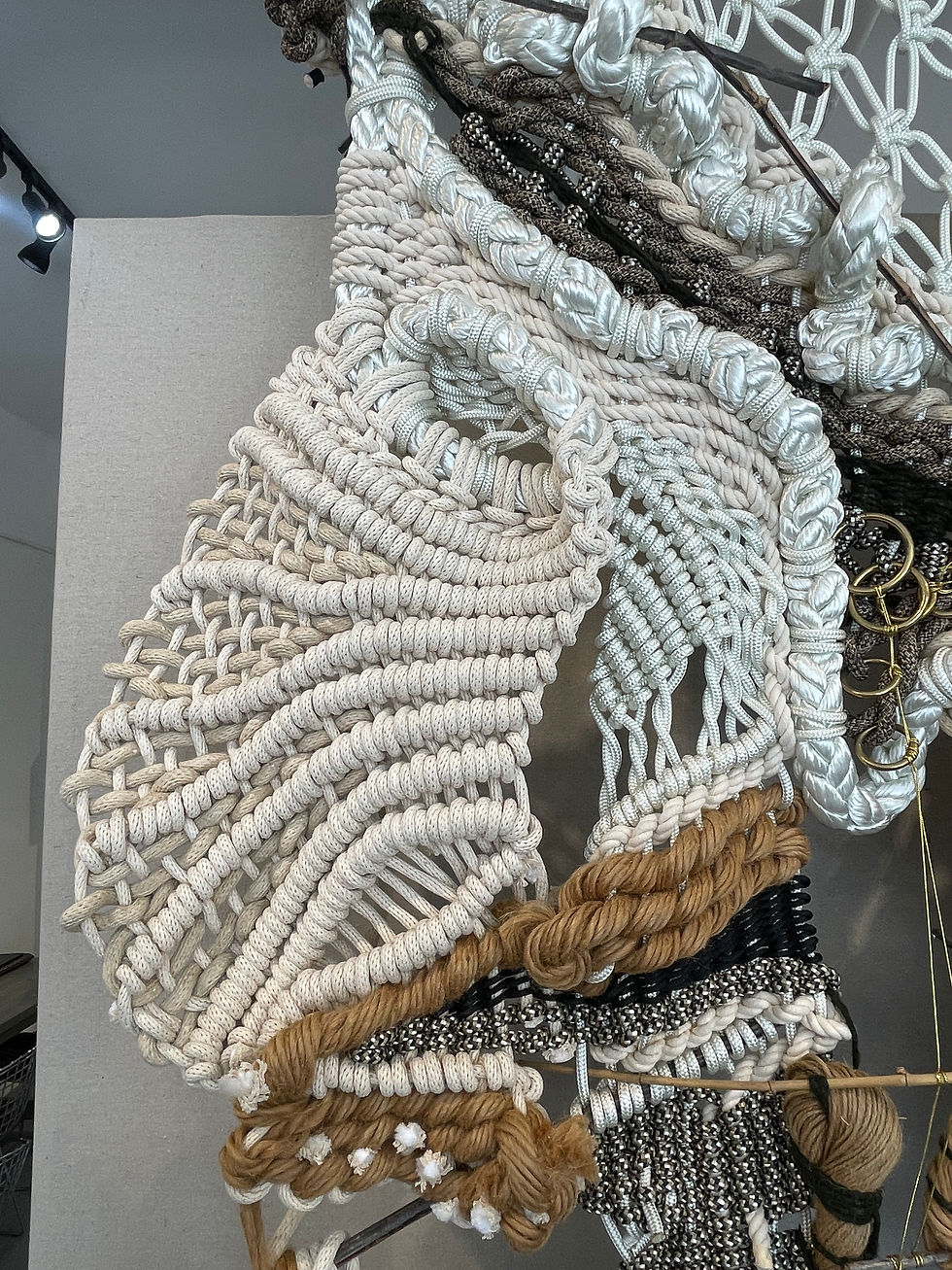
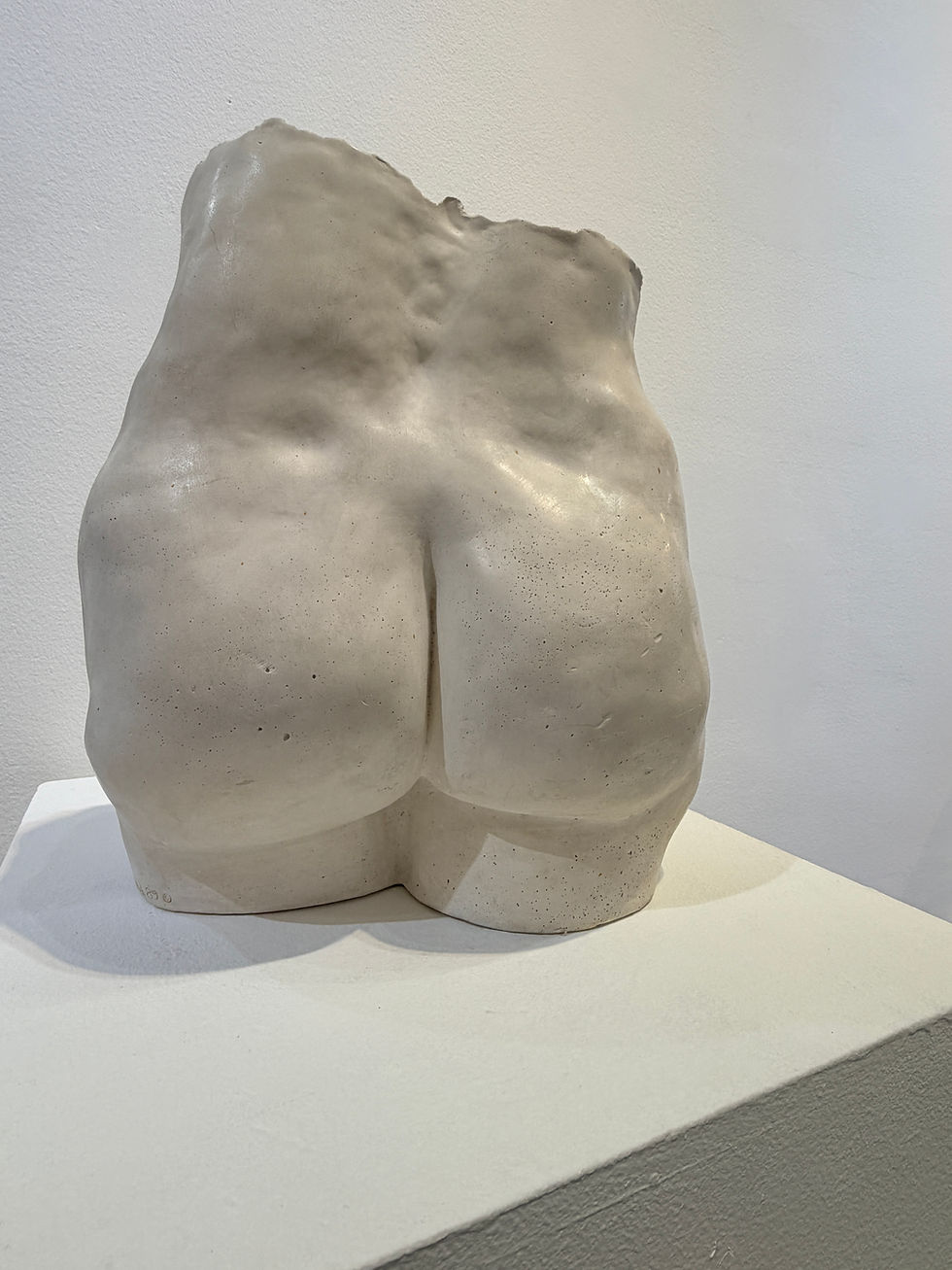
The exhibition draws its title from the space between — the moment before meaning crystallizes, the edge where one thing becomes another. It is a fitting frame for a body of work that refuses easy resolution. These are artists who work with weight, with texture, with the body and the earth, with form as a vehicle for something that exceeds it. Across painting, sculpture, photography, and mixed media, Threshold proposes that the most powerful art does not resolve its tensions — it holds them open, and invites the viewer to stand inside them.
Carlos Andrade is a multidisciplinary artist based in Miami Shores and the founder of CLAUG Creative Studio. Born in Venezuela, Andrade began his practice by repurposing everyday materials — giving found objects new meaning through form, color, and composition. His work moves between geometry and playfulness, sculpture and painting, ceramics and mixed media, always in pursuit of the place where the familiar becomes something else entirely. Drawing from artists as distinct as Duchamp, Matisse, and Magritte, Andrade's practice challenges conventional perception while remaining deeply engaged with the emotional and the human. His works explore themes of displacement, nostalgia, and connection — the experience of carrying one world inside another — rendered through visual lightness, contrasting color, and a formal intelligence that makes even the most conceptually layered pieces feel immediate and alive.
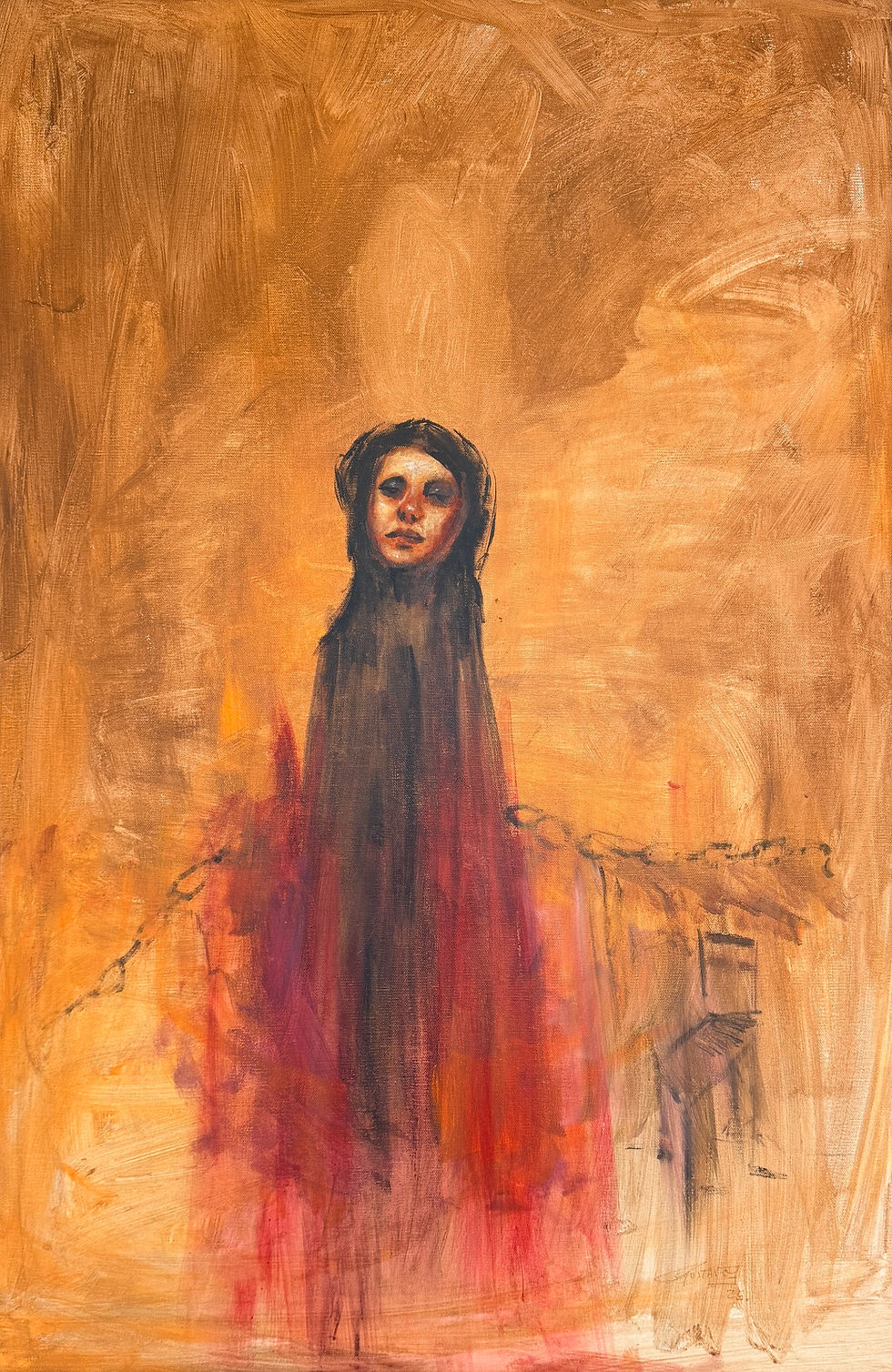
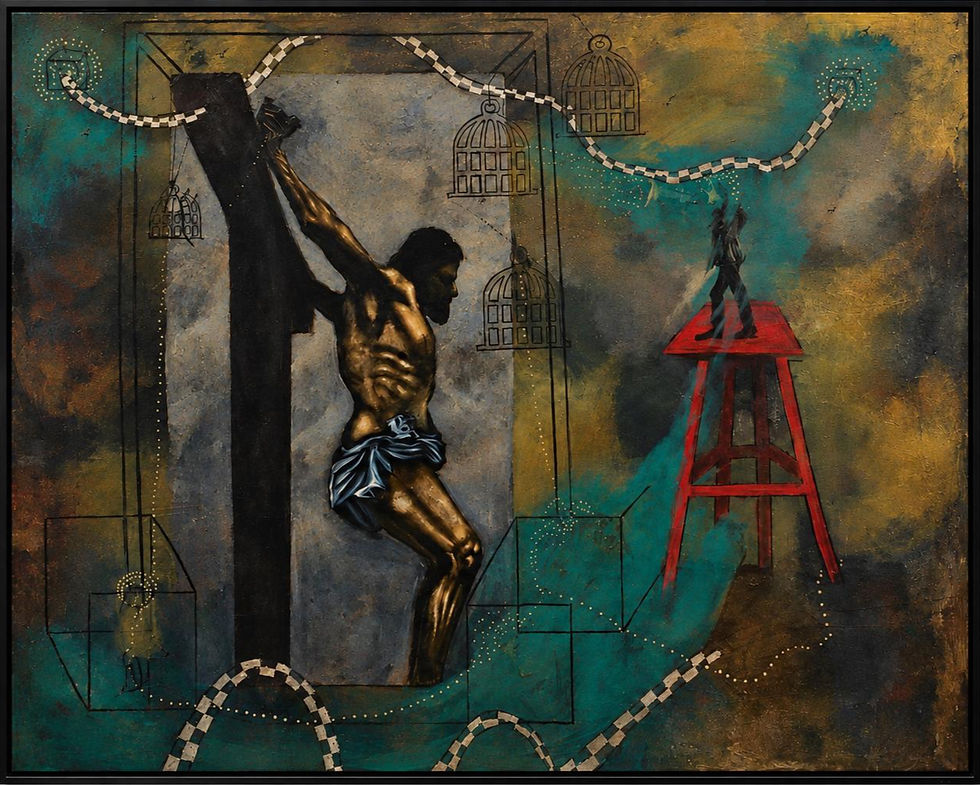
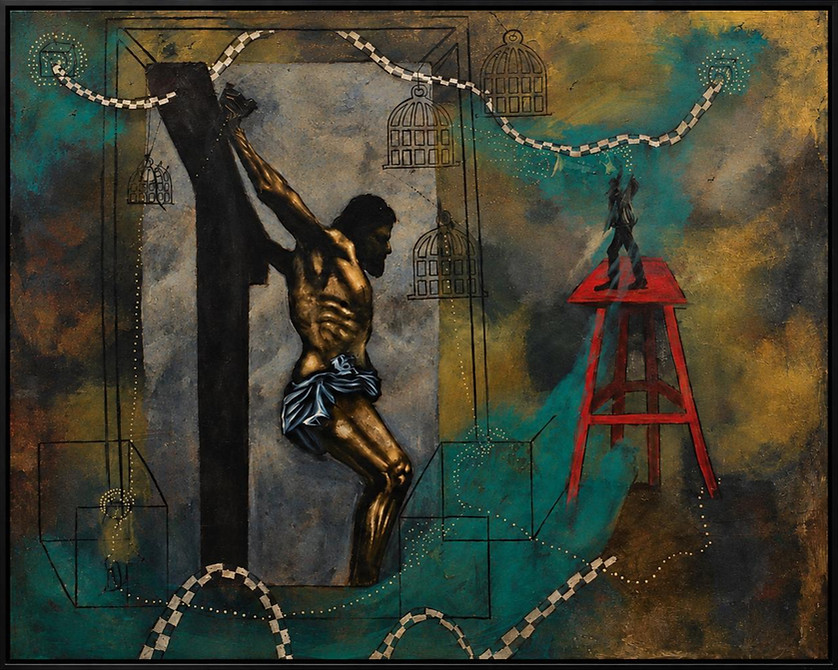
Gustavo Andrade, born in Maracaibo, Venezuela in 1993, works in figurative painting with a draftsmanship so rigorous it feels earned — the product of formal training at the Facultad Experimental de Artes at the Universidad del Zulia and the Academia de Artes de Maracaibo under master draftsman Francisco Verde. But if the technique is classical, the vision is anything but. His canvases are populated by archetypal figures — women, saints, jesters, fragmented bodies — suspended in charged, dreamlike environments that draw from the subconscious, from political history, and from the deep weight of cultural mythology. He works with dense layering, expressive color, and narrative tension, exploring femininity, faith, power, and the chaos that lives beneath the surface of human experience. His paintings feel simultaneously ancient and urgent, as if excavated from a collective memory that has not yet been resolved. Recognized at the Bienal Chiara Lubich, the Salón Tranvía, and selected for the Trienal ABYA YALA: STRUCTURAL in New York, Andrade is one of the most compelling figurative voices to emerge from his generation.
Carlos Casanova, born in Camagüey, Cuba in 1974, approaches the natural world not as subject matter but as spiritual language. Initially self-taught and later shaped by the mentorship of Lorenzo Linares Duque, he evolved from naturalistic representation toward a contemporary visual practice in which landscape operates as symbol, metaphor, and threshold — a word that could not be more fitting here. Drawing on traditions that range from European classical painting to the American Hudson River School, Casanova brings technical rigor to an essentially contemplative act. Since 1999, his work has examined the relationship between matter and transcendence, conceiving each image not as a depiction of the world but as a space for reflection within it. Working across photography and painting, he constructs a personal iconography in which landscape, faith, and human experience converge. In his hands, the natural world is never mere backdrop — it is the primary language through which meaning is made.
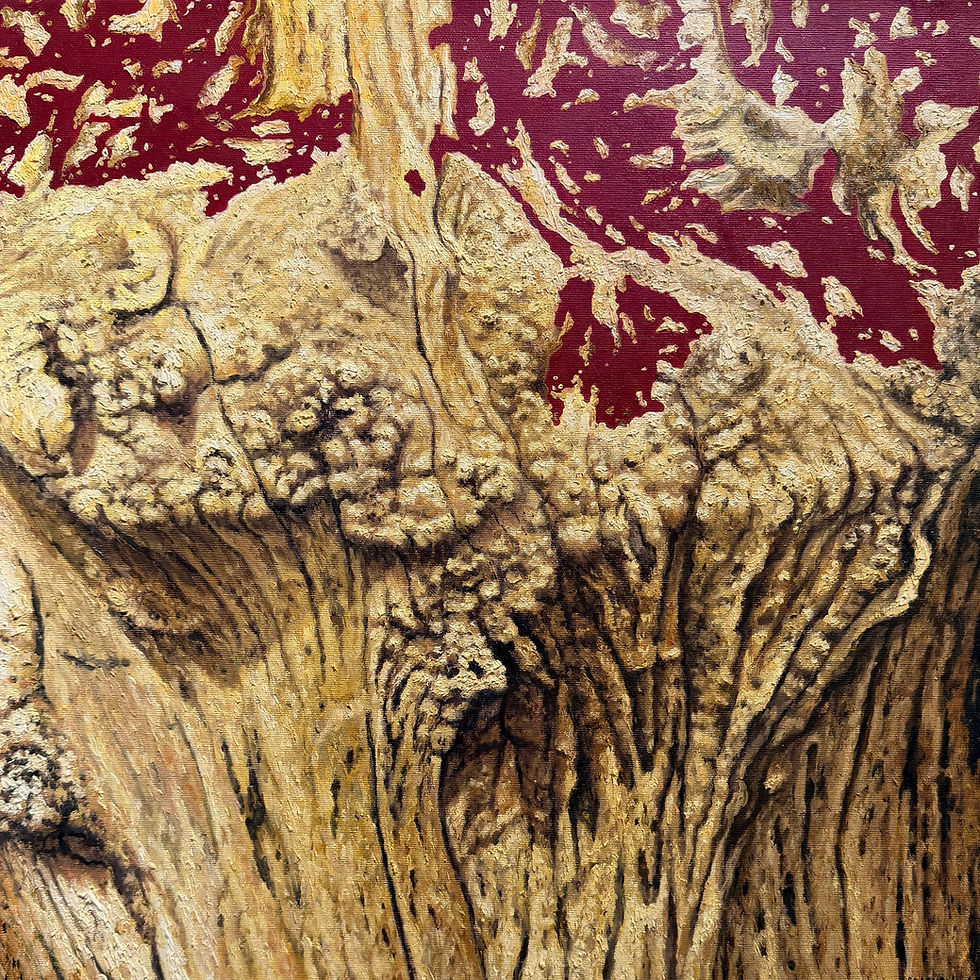
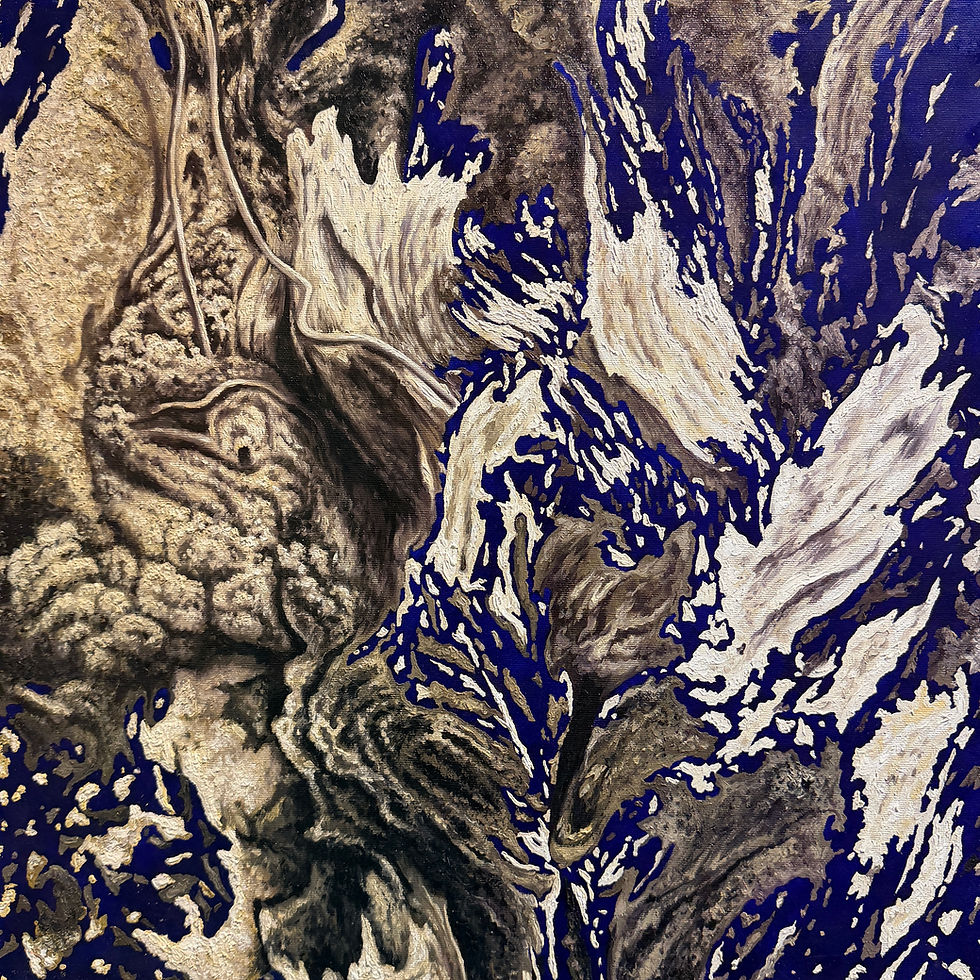
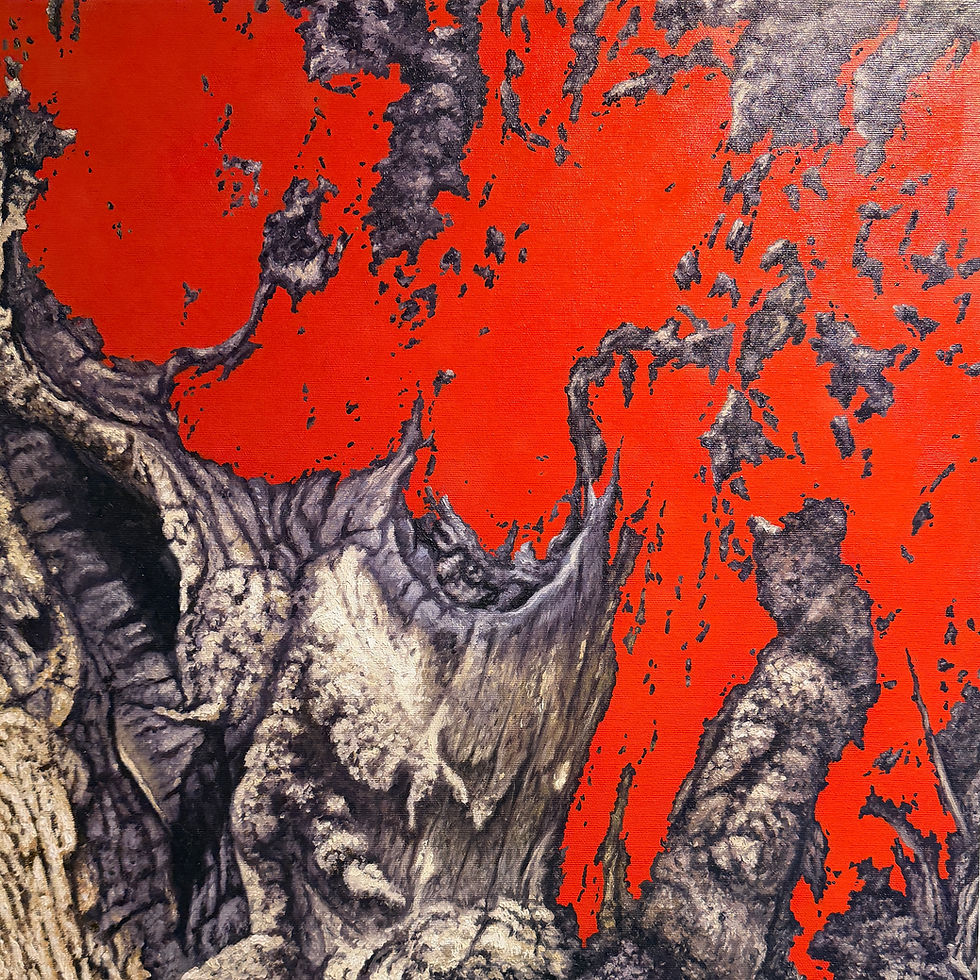
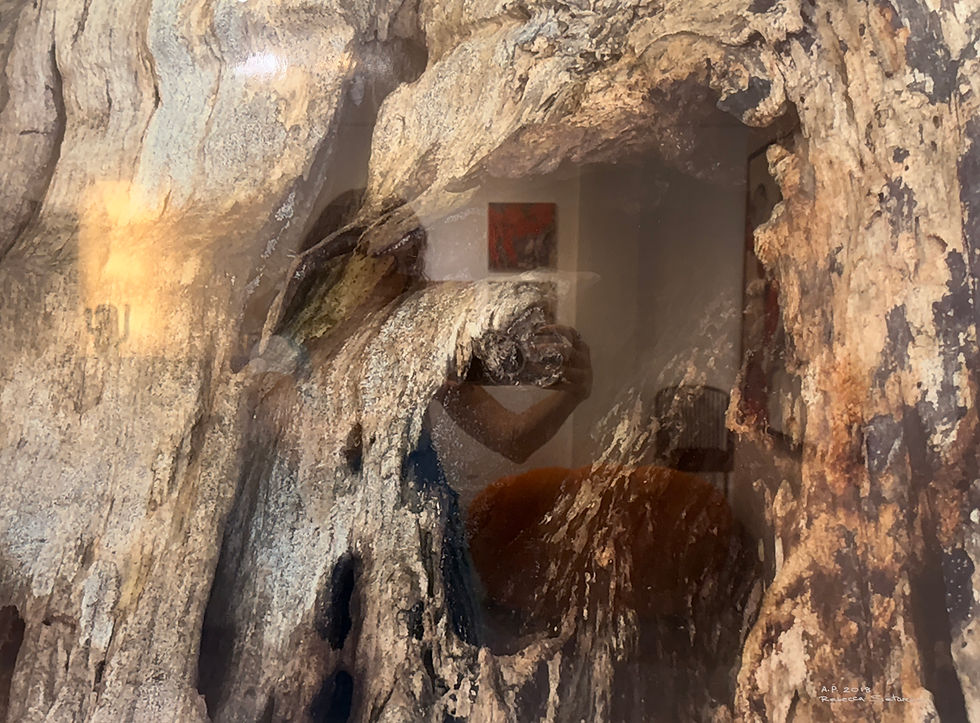
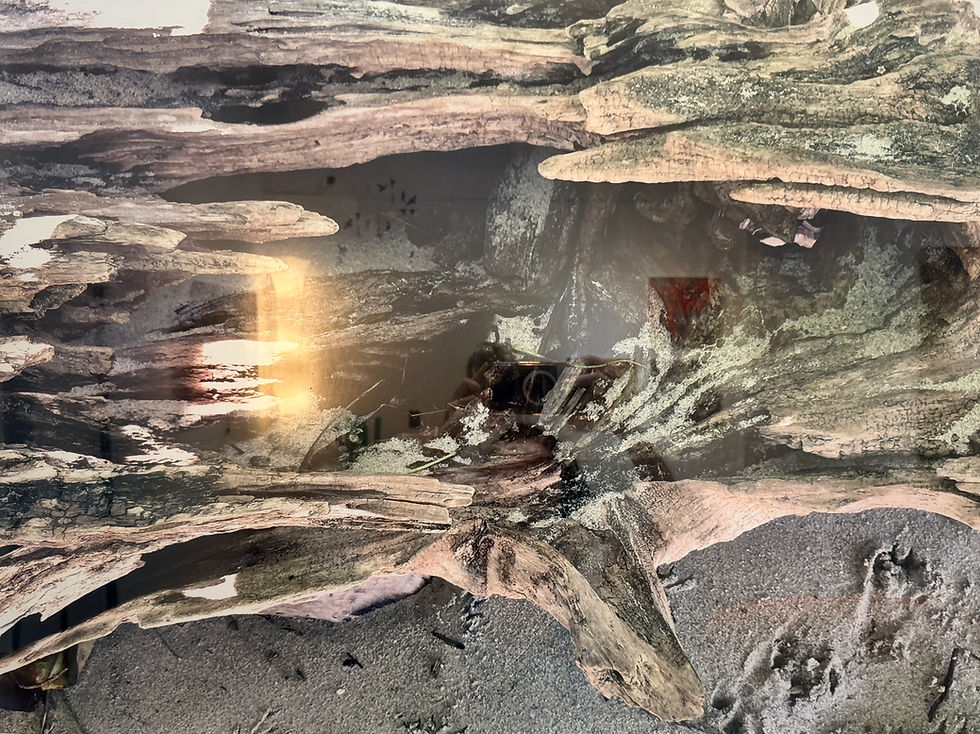
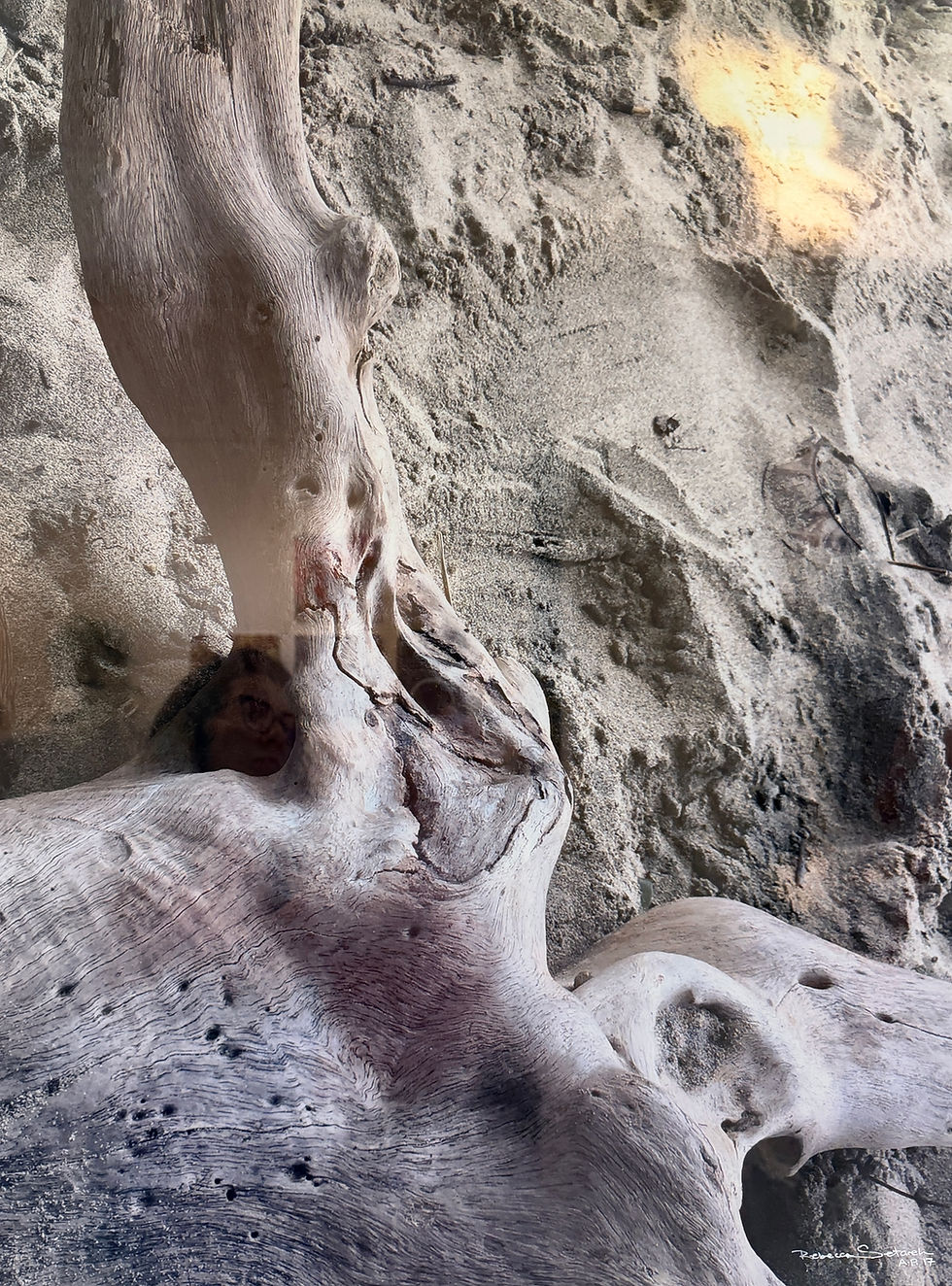
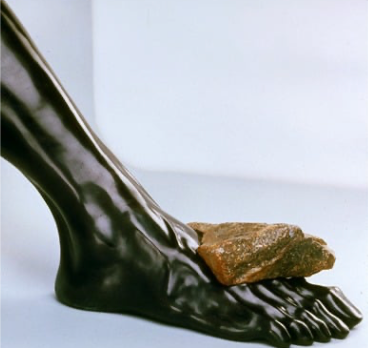
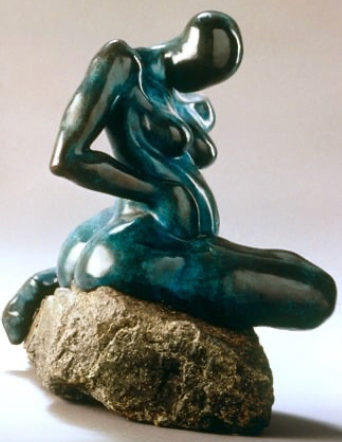
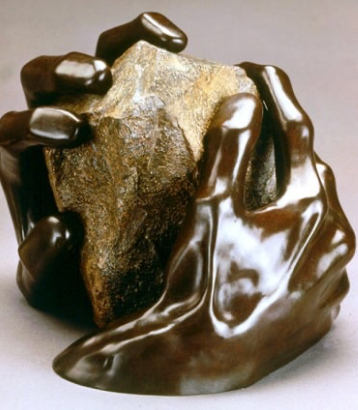
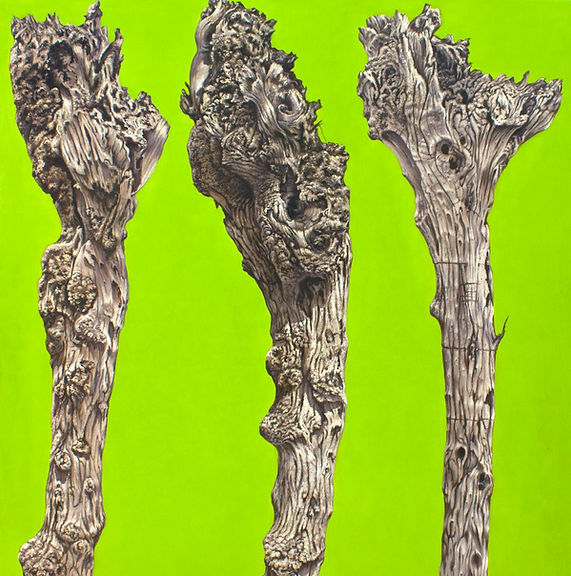
Rebecca Setareh was born in Iran and trained in Europe, earning her Bachelor of Fine Arts from the Institut des Beaux-Arts St. Luc in Liège, Belgium. Her sculptures first gained recognition in Iran — where her piece The Peacock was awarded first prize by Iran's Minister of Education, and she received a second prize in a national competition juried by Prime Minister Hoveida and Queen Farah Diba Pahlavi — before going on to be exhibited internationally. At the heart of her practice is a dialogue between opposites that refuses resolution. She works primarily in polished bronze and raw natural stone, and the tension between these two materials is the work itself: the smooth, idealized human form pressed against something ancient and unworked; the refined set against the elemental; the shaped set against the found. Her figures are never complete — they are fragments, torsos, hands interrupted — and in that incompleteness they become more rather than less. What is missing becomes the question the work is asking. Setareh's practice extends into driftwood photography, where she continues her lifelong inquiry into the boundary between the organic and the eternal. Across every medium, her conviction remains the same: that beauty and weight belong together, and that the most enduring forms are those that carry both.
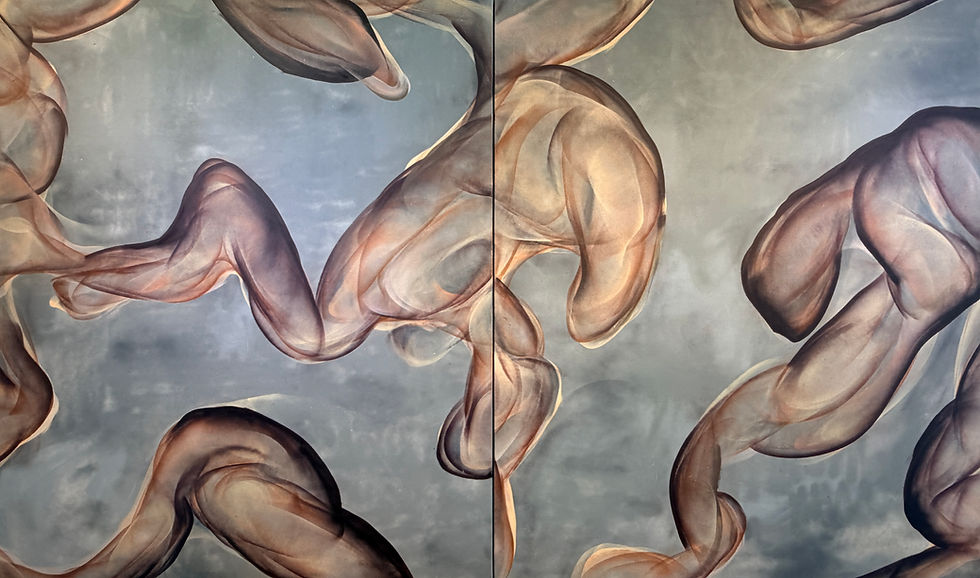
Ryan Wheelbarrow, born in Arizona in 1980 and now based in Miami, has spent over two decades exhibiting and performing live painting across the United States, Canada, and Europe, working fluidly across graphite, watercolor, sculpture, printmaking, and large-scale mural work. At the center of his practice is a visual language he calls Amorphism — a pursuit of form that resists definition. His works are organic, cellular, and deeply physical: bodies that are not quite bodies, structures that suggest tissue, bone, growth, and collapse all at once. Rendered with extraordinary sensitivity, they occupy a space between the anatomical and the abstract, inviting the viewer to find their own meaning within shapes that feel at once alien and deeply familiar. Wheelbarrow's process is rooted in the Taoist principle of Wu Wei — effortless, non-forced action — allowing forms to emerge intuitively rather than by design. The result is work that feels less constructed than discovered, as though the image already existed within the paper and the artist simply revealed it. His watercolors, in particular, carry a quiet intensity: pale washes of rose and graphite coiling into forms that pulse with life, vulnerability, and an almost uncomfortable intimacy. They are small in scale and vast in feeling.
Together, these five practices form a conversation about what it means to make meaning from matter — and to stand, as all great art invites us to do, at the threshold of something larger than ourselves.